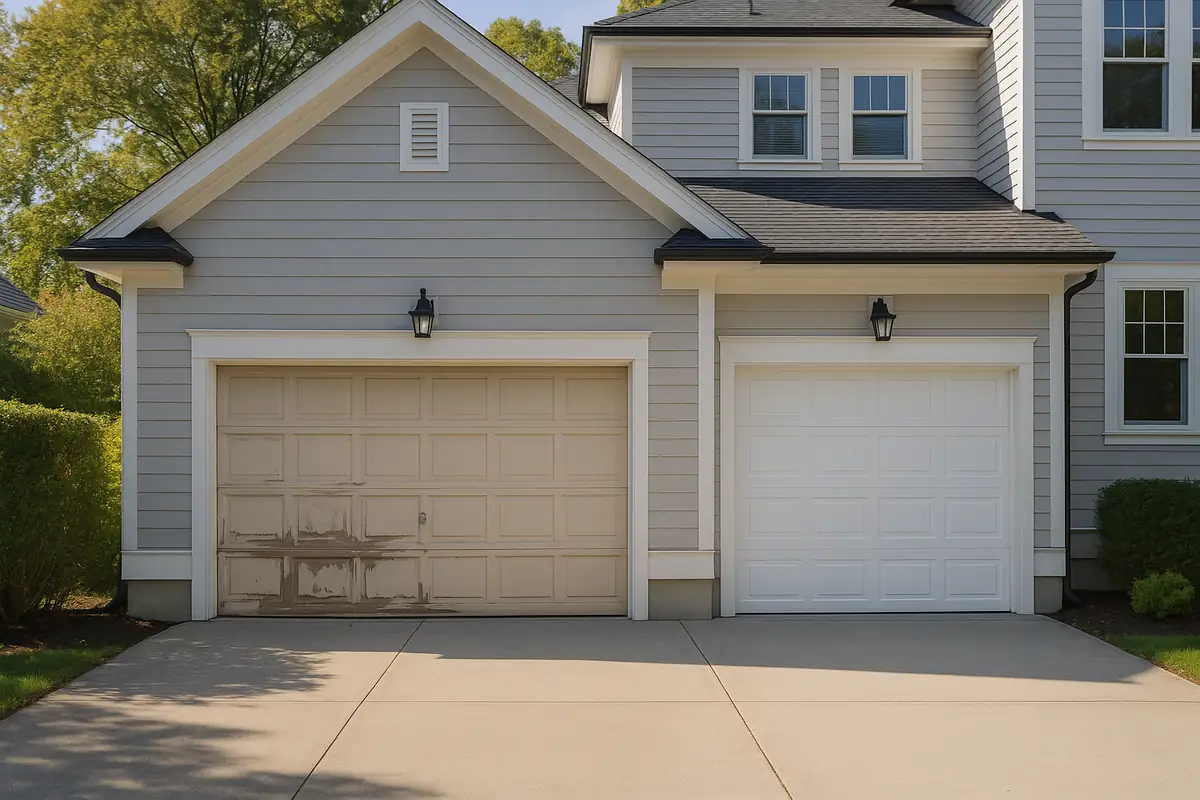
Energy Efficiency and Your Garage Door: A Guide from Main MA Garage Door Repair
Are you aware of how your garage door affects your home’s energy efficiency? In this guide, we’ll explore the vital role your garage door plays in energy consumption and how Main MA Garage Door Repair can help.
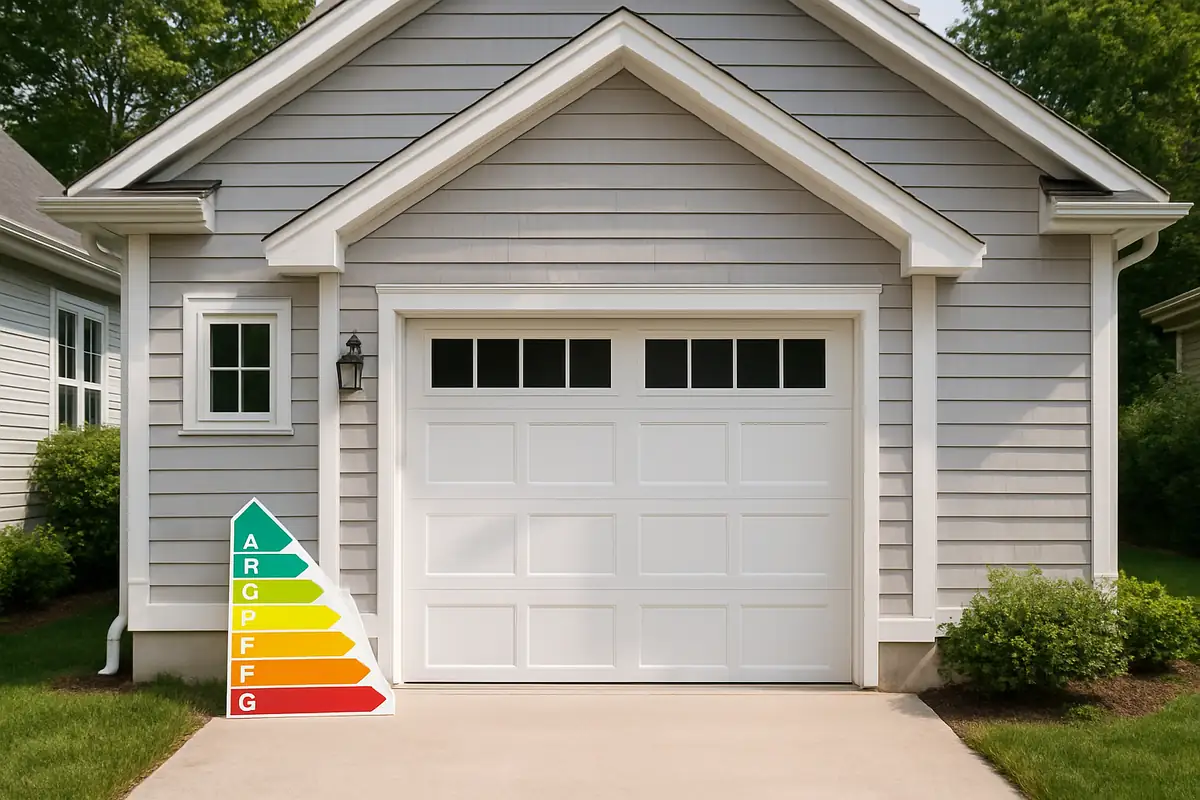
Understanding the Importance of Energy Efficiency
In an era where energy costs are continuously rising, homeowners are becoming more conscious of their energy consumption. One often-overlooked area of energy efficiency is the garage door. A well-insulated and properly functioning garage door can significantly reduce energy loss, leading to lower utility bills and a more comfortable home environment.
How Garage Doors Affect Home Energy Usage
Your garage door constitutes a larger surface area of your home than you might realize. It connects your garage, which can often be an unconditioned space, to your living areas. The way it is constructed, installed, and maintained can greatly influence your home's overall energy use.
The Energy Transfer Process
Energy transfer occurs through conduction, convection, and radiation. Here’s how each affects your garage door:
- Conduction: This refers to the direct transfer of heat through materials. A poorly insulated door allows heat to escape in winter and warm air to enter in summer.
- Convection: Warm air rises, and if your garage door has leaks, conditioned air can flow out, leading to inefficiencies.
- Radiation: Heat can radiate through uninsulated steel or metal doors, causing your garage and home to heat up unnecessarily.
Choosing the Right Garage Door for Energy Efficiency
When it comes to selecting a garage door, energy efficiency should be a top priority. Here are some tips to ensure your new garage door helps save on energy bills:
1. Look for Insulation
Garage doors come with different insulation options. The most common types include:
- Polystyrene: Provides moderate insulation, helping to keep air from escaping.
- Polyurethane: Offers superior insulation and is denser than polystyrene, making it a great choice for extreme climates.
2. Energy Ratings Matter
Check for the R-value of the garage door, which indicates its resistance to heat flow. Higher R-values represent better insulation. Look for doors with an R-value of 12 or more if you live in an area with fluctuating temperatures, like Lakeville, MA.
3. Consider the Material
The material of your garage door affects its insulation properties:
- Steel: Durable and often insulated, but can be prone to heat loss.
- Wood: Aesthetic but requires more maintenance and may have varying insulation properties.
- Fiberglass: Lightweight and energy-efficient, but can be more expensive.
Common Garage Door Issues Impacting Energy Efficiency
Even if you have a well-insulated garage door, issues such as wear and tear, improper installation, or lack of maintenance can diminish its efficiency.
1. Air Leaks
Air leaks around the door can waste significant energy. Check for gaps at the edges and ensure weather stripping is intact. If it’s frayed or missing, replace it to keep your garage and home insulated.
2. Misalignment
A misaligned garage door may not seal properly, causing drafts. Regularly inspect your door’s alignment and adjust it as necessary to ensure a tight fit.
3. Broken Springs and Cables
Worn or broken springs can affect how well the door closes. Schedule regular maintenance checks with Main MA Garage Door Repair to catch these issues early.
Benefits of an Energy-Efficient Garage Door
Upgrading to an energy-efficient garage door can yield multiple benefits:
- Lower Energy Bills: A well-insulated garage door can save you money on heating and cooling costs.
- Improved Comfort: Maintaining a consistent temperature in your garage can make it easier to access during colder months.
- Increased Home Value: Energy-efficient features are attractive to potential buyers, enhancing your home’s marketability.
Practical Tips for Maintaining Garage Door Efficiency
To maximize energy efficiency, regular maintenance is key. Follow these tips:
- Inspect Weather Stripping: Every few months, check the weather stripping for wear and tear.
- Clean Tracks and Rollers: Keeping the tracks clean allows the door to operate smoothly, which can improve its sealing capabilities.
- Lubricate Moving Parts: Use a silicone-based lubricant on springs, rollers, and hinges to extend their lifespan and maintain efficiency.
Statistics to Consider
According to the U.S. Department of Energy, a significant amount of energy loss in homes occurs through garages. In fact, a poorly insulated garage door can account for 20-30% of the energy used for heating and cooling a home. Addressing these areas can lead to substantial savings over time.
Conclusion: Take Action for Energy Savings Today!
Your garage door doesn’t just serve as an entry point; it plays an essential role in your home's energy efficiency. If you're in Lakeville, MA, and are looking to improve your garage door's efficiency, turn to the experts at Main MA Garage Door Repair. Our professional team will help you assess your current garage door, recommend energy-efficient options, and ensure proper maintenance. Don’t let energy costs drain your wallet—contact us today for a consultation!
Explore More Resources
Related Articles
Service Areas
We proudly serve Lakeville, Middleborough, Rock Village, East Taunton, East Freetown and more areas.
Our Services
Professional garage door repair, spring repair, opener installation and more. View all services →

Smart Garage Door Features You Need to Know - Main MA Garage Door Repair
How to Reduce Garage Door Noise: Effective Tips from Main MA Garage Door Repair in Lakeville, MA